Technical SEO Infrastructure: Mastering JavaScript & Crawl Architecture
An enterprise-grade analysis of technical SEO. We dissect render pathways, crawl budget optimization, and resolving indexation bloat.

Marketing investments spent on stunning content and high-authority links are entirely wasted if search engines struggles to crawl and parse your infrastructure. Technical SEO represents the base of professional search execution. Today's search environment requires developers and SEO architects to work closely in optimizing rendering mechanisms, crawl budgets, and code delivery platforms.
Navigating Client-Side vs Service-Side Rendering
JavaScript frontend frameworks (React, Vue, Angular) make beautiful interfaces, but they pose significant crawling challenges. By default, Googlebot crawls raw HTML, placing JavaScript files into a queue to be rendered asynchronously by the Web Rendering Service (WRS). Under massive page volumes, this rendering wait time leads to delayed indexing, missing pages, and unstable keywords.
To bypass the rendering queue, enterprise companies must implement **Server-Side Rendering (SSR)** or **Static Site Generation (SSG)** using robust application systems (Next.js, Remix, Astro). Serving fully rendered HTML payloads directly to crawlers ensures immediate data extraction, near-instant category parsing, and a massive index advantage.
How Crawl Budgets Are Diluted
Search engine bots allocate restricted crawl time (a "crawl budget") to each website. If a massive domain leaves hundreds of thousands of low-value parameters, duplication facets, and dynamic filters open, the crawler spends its budget on junk files instead of indexing core product and resource pages.
Optimizing Code Performance and Core Web Vitals
Site performance is a direct ranking signal. Slow-loading layouts cause users to bounce and crawlers to slow down. Technical frameworks must meet rigid Core Web Vitals thresholds:
Structured Schema Markup as Your Search API
In an AI-first web ecosystem, semantic web annotations are more critical than ever. Schema markup (JSON-LD) acts as your direct API connection to search catalog models. By injecting highly customized codes representing products, events, organizations, and reviews, you clarify your entity definitions. Doing so helps search engine models pair your information with precise voice searches, map points, and rich highlights.
Strategic Summary
Technical SEO represents the engine room of modern search performance. Treat your codebase as a digital service asset. Solve rendering issues, keep crawl paths efficient, maintain high-speed interactions, and output clean schema. Give search engine crawlers a frictionless, beautifully responsive site to crawl and index today.
Written by Maisam
Leading the strategy at OffRankSEO. Specialized in advanced technical optimization, entity-based ranking strategies, and robust digital PR. Passionate about helping businesses decode Google's evolving algorithm.
Read Further

E-E-A-T and Content Strategy: Thriving in the AI Search Era
Surviving the AI content flood. How to engineer profound information gain and demonstrate authentic human expertise.
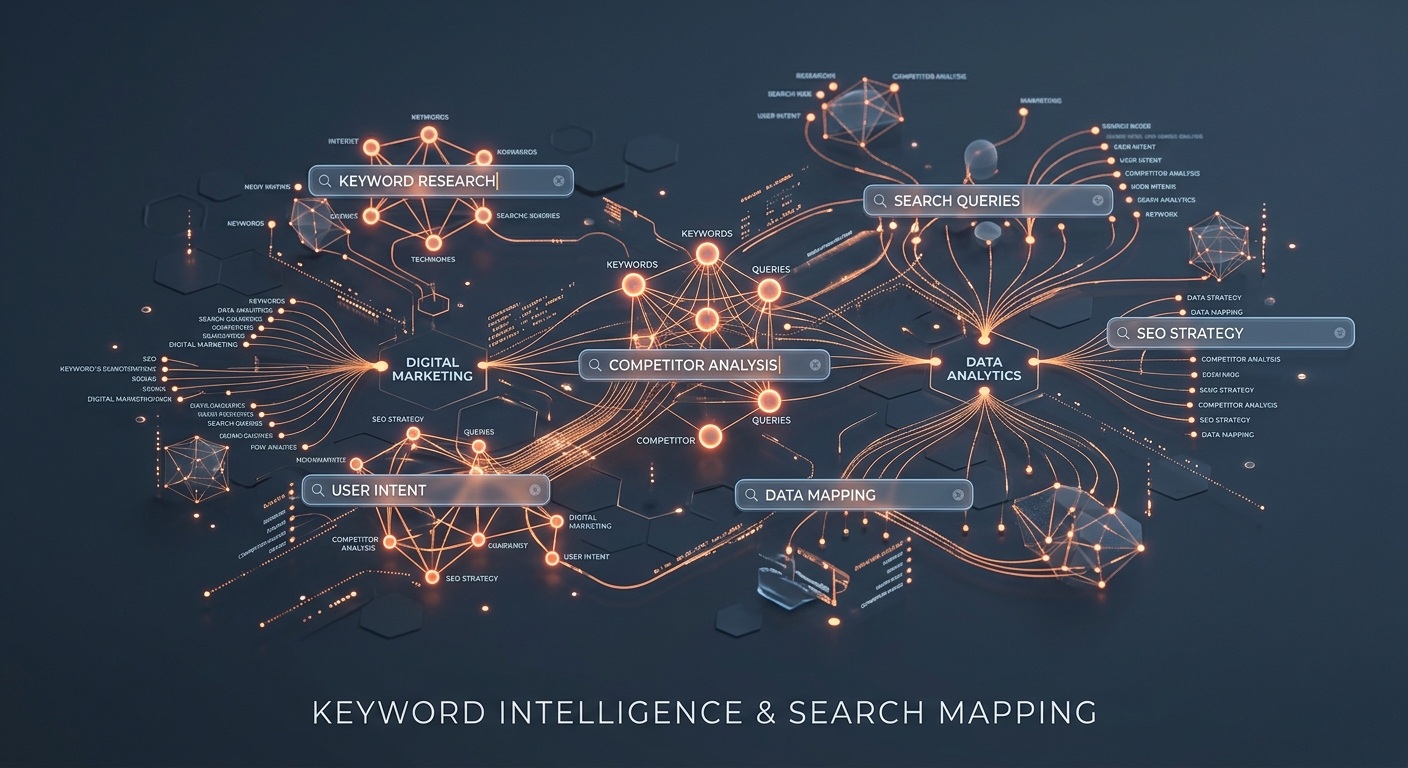
Advanced Keyword Mapping: Capturing Commercial Intent at Scale
Move beyond search volume. Learn how to map semantic intent clusters to architectural funnels for maximizing legitimate business revenue.